In the world of gluten-free baking, finding a truly simple, versatile, and delicious bread alternative can feel like searching for a culinary unicorn. Many recipes demand a pantry full of specialty flours, complex steps, and an abundance of patience. But what if we told you that the secret to a fantastic sweet potato flatbread gluten free, no-knead, and incredibly easy to make, lies in just two humble ingredients?
This article unveils the magic of sweet potato flatbread, a game-changer for anyone navigating a gluten-free lifestyle, or simply looking for a healthier, more creative alternative to traditional breads. Prepare to transform your mealtimes with a recipe that is not only naturally gluten-free but also yeast-free, often paleo, and unbelievably adaptable. From a pliable tortilla to a sturdy pizza base, or even a puffy pita with a pocket, this sweet potato creation does it all – and with minimal fuss. Dive in to discover how two simple ingredients can unlock a world of culinary possibilities.
The Magic of 2 Ingredients: Unveiling Your Gluten-Free Flatbread Secret
The core genius of this recipe lies in its elegant simplicity, relying on the inherent properties of two powerhouse ingredients: sweet potato and a suitable gluten-free flour. This combination creates a dough that sidesteps the need for gluten structure, yeast activation, or extensive kneading, making it a dream for busy cooks and gluten-sensitive individuals alike.
Sweet Potato: The Star of the Show
Sweet potatoes are more than just a vibrant, nutritious vegetable; they are the binding and moisturizing heart of this flatbread. When cooked and mashed into a smooth puree, their natural starches and moisture content act as a fantastic binder, mimicking some of the functions traditionally provided by gluten in wheat-based doughs. Their subtle sweetness adds a delightful depth of flavor, making the flatbread appealing on its own or as a complement to savory dishes. Moreover, sweet potatoes bring a wealth of vitamins, minerals, and fiber to the table, making this flatbread a healthier choice.
Choosing Your Gluten-Free Flour: Oat or Cassava
For the simplest 2-ingredient version of this sweet potato flatbread gluten free, your choice of flour is critical. The most common and effective options are oat flour or cassava flour:
- Oat Flour: Widely available, affordable, and boasting a mild, slightly nutty flavor, oat flour is an excellent choice. Important: Always opt for certified gluten-free oat flour to ensure no cross-contamination if you have celiac disease or severe gluten sensitivity. Oat flour provides a good structure and a tender texture.
- Cassava Flour: A fantastic option, especially for those adhering to paleo or grain-free diets. Cassava flour is derived from the entire yuca root, which is grated, dried, and ground into a fine, neutral-tasting flour. It’s known for its excellent binding properties and ability to create a soft, pliable dough that mimics wheat flour surprisingly well, without any gluten. Its mild flavor allows the sweet potato to shine through.
Both flours contribute to the no-knead nature of this recipe. Once combined with the sweet potato puree, they form a soft, manageable dough that requires minimal handling before shaping and cooking. This simplicity is truly what makes this Easy Gluten-Free Sweet Potato Flatbread: Paleo & Vegan Options a staple in many kitchens.
Beyond the Basics: Elevating Your Sweet Potato Flatbread Experience
While the 2-ingredient version is wonderfully effective, sometimes a few thoughtful additions can transform a simple flatbread into an extraordinary culinary delight. These enhancements can fine-tune the flavor, texture, and overall appeal of your sweet potato flatbread gluten free, offering a more gourmet experience without sacrificing its inherent ease.
Flavor Boosters: Seasonings, Salt, and Olive Oil
To deepen the flavor profile and enhance the flatbread's texture, consider incorporating:
- Salt: Even a quarter teaspoon of salt makes a significant difference, balancing the sweetness of the potato and bringing all the flavors to life. It’s a foundational element for any savory bake.
- Italian Seasoning (or other herbs/spices): A half-teaspoon of Italian seasoning can infuse your flatbread with aromatic herbs like oregano, basil, thyme, and rosemary. Experiment with other spices too – a pinch of garlic powder, onion powder, smoked paprika, or even chili flakes can personalize your flatbread to perfection.
- Olive Oil: Two tablespoons of good quality olive oil can add richness, a subtle fruity note, and contribute to a more tender crumb while helping the exterior crisp up beautifully during cooking. It also adds a slight pliability to the dough.
The Cheese Factor: A Game-Changer (Optional)
For those who aren't vegan or dairy-free, adding grated cheese can take your sweet potato flatbread to another level. Approximately 3/4 cup of grated cheese, such as Parmesan, Gruyère, or even a sharp cheddar, can be folded into the dough. This addition melts into the flatbread as it bakes, creating pockets of savory goodness, a richer texture, and a wonderfully golden crust. The subtle tang of cheese complements the sweet potato beautifully, making this a truly irresistible side or snack.
When incorporating these additions, remember the importance of precision. While the 2-ingredient version is forgiving, adding extra elements means paying a bit more attention to proportions. Weighing your ingredients, especially the flour and puree, can help achieve consistent results and ensure your dough has the perfect soft, yet manageable, consistency.
A Culinary Chameleon: Versatile Ways to Enjoy Your Gluten-Free Flatbread
One of the most exciting aspects of this sweet potato flatbread gluten free is its incredible versatility. It truly is a culinary chameleon, ready to adapt to almost any meal or craving you might have. Forget about buying separate gluten-free pita, tortillas, or pizza bases – this one recipe covers them all!
- The Perfect Pizza Base: Roll your dough thin, add your favorite sauce, cheese, and toppings, and bake for a surprisingly sturdy and delicious gluten-free pizza. Its mild flavor makes it a fantastic canvas for both classic and creative pizza combinations.
- Flexible Tortillas: Cooked slightly thinner and softer, these flatbreads transform into excellent gluten-free tortillas. Use them for savory wraps, quick tacos, or even a fresh veggie burrito.
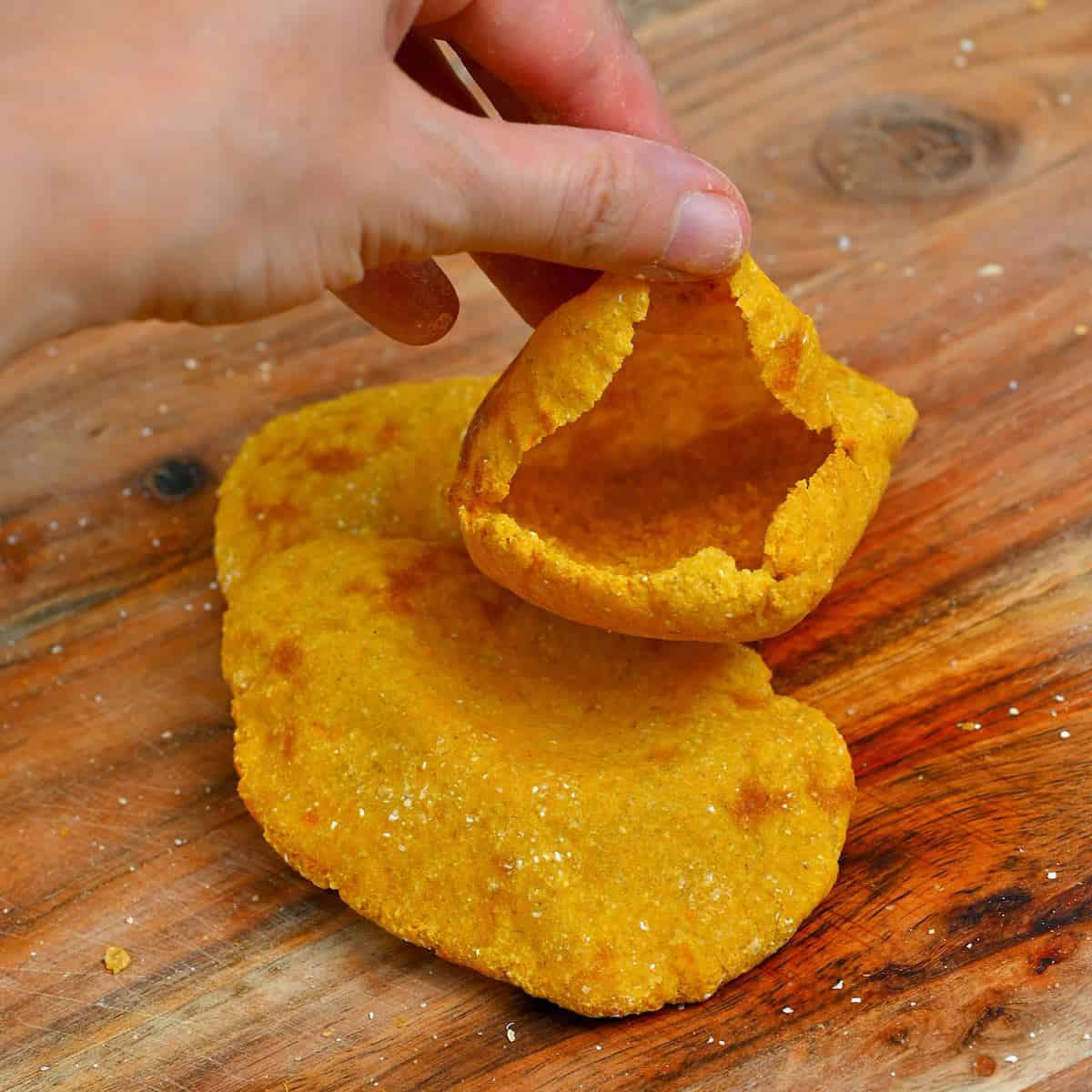
- Puffy Pita Pockets: This is where the magic truly happens! When baked in a hot oven or air fryer, these flatbreads can puff up to create impressive pockets, just like traditional pita bread. These pockets are perfect for stuffing with fillings like baked falafel, creamy hummus, grilled vegetables, or your favorite lean protein. You can explore more about these variations in our article: Sweet Potato Flatbread: Gluten-Free Pita, Tortilla & Pizza Base.
- An Essential Dipper: Serve warm wedges alongside a vibrant red lentil hummus, a creamy gluten-free spinach dip, guacamole, or your favorite baba ghanoush. The slight crispness and earthy flavor are ideal for scooping.
- Accompaniment to Meals: Tear off pieces to enjoy with hearty stews, curries, or a comforting bowl of sweet potato soup. It’s a wonderful alternative to traditional bread for sopping up delicious sauces and broths.
- Creative Appetizers: Cut into small squares, toast until crisp, and serve as crostini with various toppings, or simply with a sprinkle of sea salt and herbs.
The flexibility of this flatbread makes it a fantastic addition to meal prep, as well as an impromptu snack. Its ability to serve so many roles means fewer specialty ingredients in your pantry and more culinary adventures in your kitchen.
Crafting Your Perfect Sweet Potato Flatbread: Tips for Success (No-Knead Nirvana!)
Achieving the perfect sweet potato flatbread gluten free is incredibly straightforward, thanks to its no-knead nature. However, a few key tips can ensure consistently delicious results every time.
1. Sweet Potato Preparation is Key
- Cook Until Very Soft: Whether you choose to steam or bake your sweet potato, ensure it is cooked until extremely tender. This is crucial for achieving a smooth puree free of lumps. Steaming for 25-30 minutes for chunks or baking a whole potato for 45-60 minutes (until fork-tender) are good methods.
- Mash Thoroughly: Once cooked, mash the sweet potato immediately. For the smoothest puree, use a stand mixer with a paddle attachment, a food processor, or a potato ricer. Any lumps will make the dough harder to roll evenly.
- Cool Slightly: Allow the sweet potato puree to cool down to at least room temperature before mixing in the flour. Hot puree can change the texture of the dough, making it too sticky or requiring more flour.
2. Weigh Your Ingredients for Consistency
While cup measurements are provided in many recipes, the moisture content of sweet potatoes can vary greatly depending on their size and type. For best results and to achieve that consistent "soft dough that will be heavy and clinging to the paddle" feel mentioned in some recipes, weighing your sweet potato puree and flour is highly recommended. A kitchen scale will be your best friend here.
3. Mixing and Dough Consistency
Combine the cooled sweet potato puree with your chosen gluten-free flour (and any optional seasonings/oil/cheese). Mix until just combined and a soft dough forms. The dough will likely be heavy and sticky to the touch, which is perfectly normal. Avoid overmixing.
4. Shaping on Parchment Paper
Gluten-free doughs, especially those without xanthan gum, can be a bit more delicate. Transfer the dough directly onto a sheet of parchment paper. Place another sheet of parchment paper on top and use a rolling pin to flatten it to your desired thickness (thinner for crispy flatbread/pizza, slightly thicker for pita). The parchment prevents sticking and makes transferring to the baking sheet effortless.
5. Cooking Methods: Oven vs. Air Fryer
- Oven Baking: Slide the parchment with the shaped dough onto a baking sheet. Bake in a preheated oven (around 400°F/200°C) until golden brown and cooked through, usually 15-20 minutes, flipping halfway. For pita pockets, a hotter oven (425-450°F/220-230°C) can help them puff.
- Air Frying: For smaller flatbreads or pita, an air fryer can offer a quicker cooking time and excellent crispness. Cook at around 375°F/190°C for 5-8 minutes, flipping once, until golden.
6. The Crunch Factor: Serve Immediately!
The references highlight a "nice crunch" when cutting into the freshly baked flatbread. This delightful texture is best enjoyed immediately after cooking. As the flatbread cools, it tends to soften. If you have leftovers, they can be successfully reheated on a pizza stone, a hot dry pan, or in the oven to regain some of their crispness.
7. Storage and Reheating
Store any leftover flatbreads in an airtight container at room temperature for a day or two, or in the refrigerator for up to 4-5 days. Reheat in a dry skillet over medium heat, in the oven, or on a pizza stone until warmed through and slightly crisp.
With these practical tips, you’re well on your way to mastering this delightful, no-fuss sweet potato flatbread gluten free. It’s a recipe that promises simplicity, nutrition, and endless culinary exploration!
Conclusion
The 2-ingredient sweet potato flatbread is a testament to the fact that exceptional gluten-free eating doesn't need to be complicated. By harnessing the natural goodness of sweet potatoes and the versatility of gluten-free flours like oat or cassava, you can create a wholesome, no-knead bread alternative that is packed with flavor and adaptable to countless culinary applications. Whether you're seeking a simple pizza base, a soft tortilla, a puffy pita, or a delicious dipper, this recipe delivers on all fronts. Embrace the simplicity, experiment with seasonings, and unlock a new favorite in your gluten-free repertoire. It’s time to transform your kitchen with this easy, delicious, and incredibly versatile sweet potato flatbread.
