Elevate Your Plate with Sweet Potato Flatbread: The Ultimate Gluten-Free Multi-Tasker
Imagine a single, wholesome base that can transform your meals from simple to spectacular, all while being deliciously gluten-free, grain-free, and often paleo and vegan-friendly. Enter sweet potato flatbread gluten free – a culinary game-changer that has taken the world of healthy eating by storm. Far more than just a side dish, this versatile creation serves as an incredible pita, a pliable tortilla, or even a robust pizza base, opening up a universe of possibilities for those seeking flavor, nutrition, and dietary accommodation.
For too long, individuals navigating gluten sensitivities or dietary restrictions have missed out on the simple pleasure of a warm, comforting piece of bread. Traditional flatbreads, pitas, and tortillas often rely heavily on wheat, making them inaccessible. But thanks to the humble sweet potato and a clever blend of gluten-free flours, we can now enjoy a soft, chewy, and sometimes delightfully crispy alternative that's not only safe but also incredibly nutritious and flavorful. This homemade sweet potato flatbread is a testament to how innovative, healthy cooking can deliver satisfying results without compromise.
Why Sweet Potato is the Star of Gluten-Free Flatbread
Sweet potatoes aren't just a delicious root vegetable; they're a nutritional powerhouse and an exceptional ingredient for gluten-free baking. Their natural sweetness and creamy texture, once pureed, act as a fantastic binder and moisture provider, eliminating the need for many conventional ingredients found in traditional bread recipes. Rich in vitamins A and C, fiber, and antioxidants, sweet potatoes add a significant nutritional boost to your flatbread, making it a healthier choice than many processed alternatives. Moreover, their inherent moisture helps create a pliable dough, crucial for achieving that perfect tear-and-share consistency or the ability to form a neat pocket.
Crafting Your Perfect Gluten-Free Base: Key Ingredients & Their Role
Creating a delicious sweet potato flatbread gluten free is surprisingly straightforward, often requiring just a handful of pantry staples. The magic lies in understanding how each ingredient contributes to the final texture and flavor.
The Powerhouse Duo: Sweet Potato & Gluten-Free Flours
The foundation of this flatbread is, of course, the sweet potato puree. Beyond that, the choice of gluten-free flour plays a pivotal role in the texture and workability of your dough. The most common and highly effective choice is cassava flour.
- Cassava Flour: Derived from the whole yuca root, cassava flour is a fantastic gluten-free and paleo-friendly option. It's renowned for its mild taste and ability to mimic wheat flour's texture in many recipes, making it ideal for creating a soft yet sturdy flatbread. It provides excellent structure without the need for gluten.
- Oat Flour: For those seeking an even simpler recipe, a 2-ingredient version often features oat flour alongside sweet potato. It's crucial to use certified gluten-free oat flour to ensure no cross-contamination if you have celiac disease or severe gluten sensitivity. Oat flour contributes a slightly nutty flavor and a tender crumb, allowing for a no-knead, yeast-free approach that can even yield impressive pita pockets.
Flavor Foundations: Seasonings and Beyond
While sweet potato and gluten-free flour form the base, a few simple additions elevate the flavor profile:
- Salt: Essential for balancing the natural sweetness of the potato and enhancing all other flavors.
- Italian Seasoning: A classic blend that adds aromatic depth and savory notes, perfect for complementing the sweet potato.
- Olive Oil: Contributes moisture, richness, and aids in browning, making the flatbread more tender and flavorful.
- Optional Add-ins: Don't hesitate to customize! Grated cheese (like Parmesan or Gruyere) can be folded into the dough for a richer, more savory flatbread. For vegan options, nutritional yeast can offer a cheesy umami without dairy. A pinch of garlic powder, onion powder, or fresh herbs like rosemary or thyme can further personalize your creation.
From Dough to Delight: A Step-by-Step Guide to Sweet Potato Flatbread
The beauty of this recipe lies in its simplicity. With minimal fuss, you can create a fresh batch of sweet potato flatbread gluten free from scratch.
Preparing Your Sweet Potato Puree
The first step is to prepare your sweet potato. For optimal results, steam the potato chunks until they are exceptionally soft – typically 25-30 minutes for about 12 oz (one large sweet potato). This method ensures even cooking and retains moisture, crucial for a smooth puree. Once cooked, transfer the potato to a stand mixer (or use a hand mixer/fork) and beat until perfectly smooth, with no lumps remaining. The consistency of this puree is paramount; it should be thick but moist, not watery.
Mixing and Shaping the Dough
Precision can be your friend here, especially when working with gluten-free flours. While recipes often provide cup measurements, weighing your ingredients can ensure the most consistent results. Whisk your chosen gluten-free flour with salt and Italian seasoning, then add it to the sweet potato puree. Mix until a soft, pliable dough forms. The dough will feel heavier than traditional wheat dough and might cling to the paddle, but it should be manageable and cohesive.
Transfer the dough to a sheet of parchment paper. Using another piece of parchment on top or a lightly floured surface, use a rolling pin to flatten the dough to your desired thickness – typically about ¼ inch for a versatile flatbread. This technique prevents sticking and makes transfer to a baking sheet effortless. For individual pitas or tortillas, you can divide the dough before rolling.
Baking for Perfection: Oven, Stovetop, and Air Fryer Options
The cooking method significantly impacts the final texture of your sweet potato flatbread gluten free.
- Oven Baking: This is the most common method for flatbreads, pitas, and pizza bases. Baking at a moderately high temperature (e.g., 400°F/200°C) helps the flatbread cook through, develop a golden crust, and in the case of pita, encourages it to puff and form pockets. Bake until golden brown and slightly firm.
- Stovetop: Ideal for softer, more pliable tortillas. Cooking on a hot griddle or cast-iron skillet for a few minutes per side yields a chewy, flexible result perfect for wraps and tacos.
- Air Fryer: A newer, quicker option for small batches or individual pieces. The air fryer can produce surprisingly crispy flatbreads or perfectly puffed pitas with less oil. Monitor closely to prevent overcooking.
Remember, this flatbread is best enjoyed immediately after baking when it’s at its peak crispiness and warmth. As it cools, it will naturally soften.
Unleash the Versatility: Pita, Tortilla, Pizza Base & More!
The true magic of sweet potato flatbread gluten free lies in its incredible adaptability. With a single recipe, you unlock endless culinary possibilities:
Sweet Potato Pita Pockets
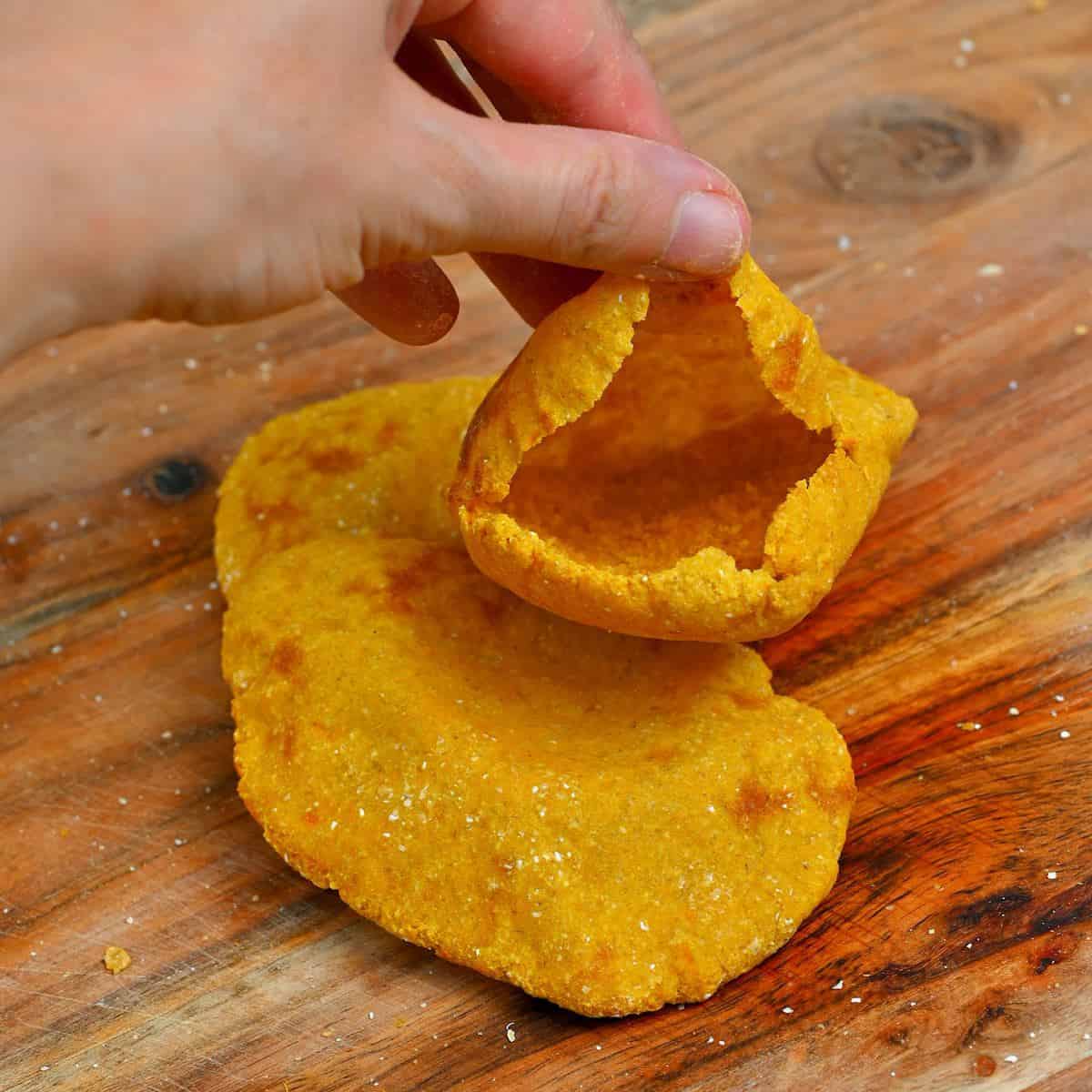
For those who've missed the joy of stuffing a warm pita, this sweet potato version delivers! When baked correctly, especially the 2-ingredient oat flour variety, it can puff up beautifully to form an impressive pocket. These pockets are perfect for filling with your favorite Mediterranean delights like creamy hummus, crisp salads, or savory baked falafel and vegan options.
Soft Sweet Potato Tortillas
Roll your dough thinner and cook it on the stovetop for incredibly soft and pliable tortillas. These make fantastic gluten-free wraps for tacos, burritos, quesadillas, or even a healthier alternative for your favorite deli sandwich fillings.
Crispy Sweet Potato Pizza Base
Elevate your pizza night with a naturally gluten-free and flavorful crust. Simply roll your sweet potato dough into a larger round, pre-bake slightly, then add your favorite sauce, cheese, and toppings. Bake until the crust is golden and crisp, and the cheese is bubbly. The sweet potato adds a subtle sweetness that pairs wonderfully with savory pizza flavors.
Beyond the Basics: Dippers & Sides
Don't forget the simplest pleasure: using your flatbread as a dipper! Serve warm wedges alongside a bowl of comforting sweet potato soup, a vibrant red lentil hummus, a creamy gluten-free spinach dip, or a fresh guacamole. Its sturdy yet soft texture makes it ideal for scooping up every last bit of flavor.
Tips for Success & Enjoying Your Creation
- Weigh Your Ingredients: For gluten-free baking, precision is key. A kitchen scale will give you the most accurate flour-to-sweet potato ratio, leading to consistent results every time.
- Don't Overwork the Dough: Mix until just combined. Overmixing can sometimes lead to a tougher texture, even without gluten.
- Serve Immediately: For the best texture, especially if you prefer a slight crunch, serve the flatbread warm from the oven or pan.
- Reheating Leftovers: If you have leftovers, store them in an airtight container at room temperature for a day or in the refrigerator for up to 3-4 days. Reheat on a pizza stone, in a dry skillet, or in a toaster oven for a few minutes to restore some of its original texture.
- Experiment with Thickness: A thinner roll will yield a crispier flatbread (great for crackers or pizza), while a slightly thicker roll will give you a softer, chewier result (ideal for pitas and tortillas).
This sweet potato flatbread gluten free offers a delightful departure from ordinary sides and a welcome solution for anyone seeking versatile, healthy, and delicious gluten-free alternatives. It's truly a recipe that everyone, potato lovers and non-potato lovers alike, will want a slice of. So, get ready to share, dip, fold, and savor this incredible homemade treat!
